You know that burning sensation when you wee that makes you want to curl up and cry? Yeah, urinary tract infections are absolutely miserable. I’ve had friends who swear they can feel one coming on before it fully hits, and honestly, being able to test yourself at home sounds brilliant. That’s where UTI test strips come in—those little bits of paper that can tell you what’s going on without waiting days for a GP appointment.
But here’s the thing: whilst they’re increasingly popular and available at every high street pharmacy, most people don’t really understand what they can and can’t tell you. Let me share what I’ve learned about these strips after speaking with pharmacists and digging through the actual research.
What Are UTI Test Strips Actually Measuring?
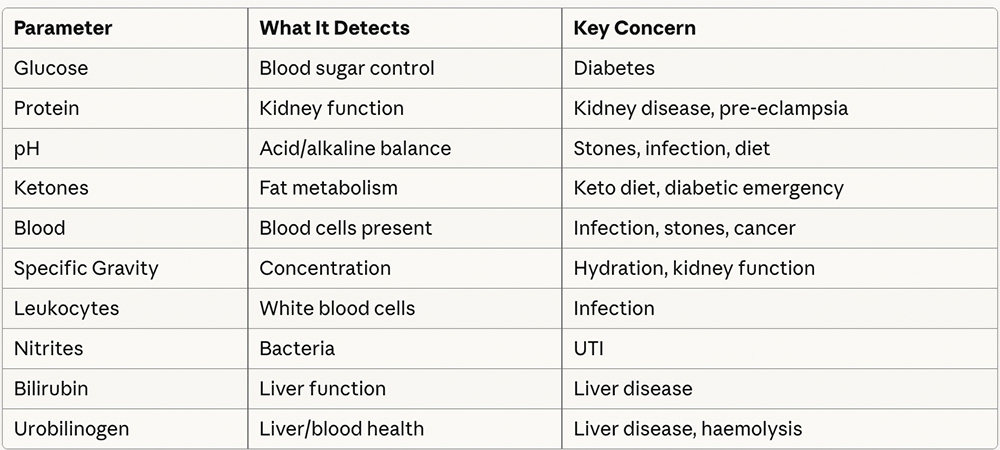
Right, so UTI test strips—sometimes called urine dipsticks—look for specific markers in your urine that suggest an infection might be brewing. They typically check for two main things: nitrites and leukocytes (white blood cells). Some fancier versions test for blood, protein, and pH levels too.
Nitrites are particularly interesting. Certain bacteria that commonly cause UTIs (especially E. coli) convert nitrates in your urine into nitrites. So finding nitrites is a pretty good indicator that bacteria are throwing a party in your bladder. According to the NHS, E. coli causes roughly 80-85% of UTIs, which is why this nitrite test works reasonably well.
Leukocytes show up when your body’s fighting something. White blood cells rush to the scene of an infection, and they end up in your urine. Makes sense, right?
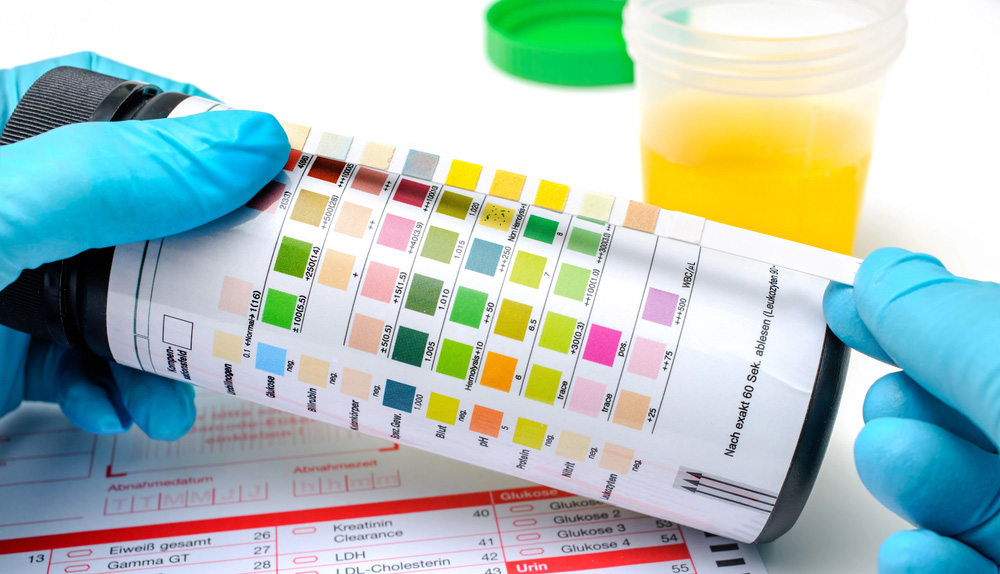
The strips themselves are dead simple to use. You wee in a clean container (not directly on the stick, despite what you might think), dip the strip in for a second or two, wait about 60 seconds, and compare the colour changes to a chart on the bottle. Different colours mean different results.
How Accurate Are They, Really?
This is where it gets interesting. I think people assume these strips are foolproof, but they’re not. They’re useful, certainly, but not perfect.
A study published in the British Journal of General Practice a few years back found that whilst dipsticks are reasonably good at ruling out UTIs when results are negative, they’re less brilliant at confirming them. The sensitivity (ability to detect an infection when it’s there) hovers around 75-80% for nitrites and slightly higher for leukocytes. That means false negatives happen—you could have a UTI even if the strip says you don’t.
False positives occur too. Perhaps you’ve got white blood cells in your urine for another reason entirely. Maybe you’re dehydrated, or you’ve got contamination from not cleaning the collection container properly. I spoke with a pharmacist last month who said she sees loads of people panicking over positive strips when they’ve actually got no symptoms whatsoever.
Another limitation: not all bacteria produce nitrites. So if you’ve got a UTI caused by one of the less common culprits, the strip might miss it entirely. Timing matters too—bacteria need about four hours in your bladder to convert enough nitrates, so testing first thing in the morning tends to be more accurate than after you’ve been weeing every hour.
When Should You Actually Use Them?
Here’s my take: UTI test strips work best as a first step, not a definitive answer. They’re genuinely helpful if you’re experiencing classic UTI symptoms—burning when you wee, needing to go constantly, cloudy or smelly urine, that sort of thing—and you want to check before calling your GP.
They’re also useful for people who get recurrent UTIs and know their patterns. If you’ve had five UTIs in the past year, you probably recognise the signs. Testing at home lets you catch it early and contact your doctor with actual data rather than just symptoms.
But—and this is important—they shouldn’t replace proper medical care. The NHS recommends that if you’ve got symptoms, especially if they’re severe or you’ve got back pain and fever (which might indicate a kidney infection), you need to see a doctor regardless of what a strip says.
Pregnant women should definitely not rely on home tests alone. UTIs during pregnancy can lead to serious complications, so any suspicion warrants a proper culture test from your GP or midwife.
Getting the Most From Your Test Strips
If you’re going to use them, do it properly. Store them somewhere cool and dry—bathroom cabinets aren’t ideal because of humidity. Check the expiry date. Once you’ve opened a bottle, they typically last about three months before the chemicals degrade.
Test your first wee of the morning when possible. Make sure you’re collecting midstream urine (let a bit out first, then catch some in a clean container). And honestly, if you’re testing just because you’re anxious but have zero symptoms, you’re probably wasting your time and money.
Results need context. A positive result with classic symptoms? Yeah, ring your GP for antibiotics. A positive result with no symptoms whatsoever? That’s called asymptomatic bacteriuria, and it usually doesn’t need treatment in healthy adults. A negative result but you feel dreadful? Still worth seeing a doctor.
The bottom line is that UTI test strips are a useful tool in your healthcare kit, but they’re just that—a tool. They can help you make informed decisions about when to seek medical care, but they can’t replace professional diagnosis. Think of them as a helpful mate giving you their opinion, not a doctor giving you absolute answers.
If you’re someone who gets frequent UTIs, keeping a pack at home makes sense. Just remember that those little strips are showing you clues, not certainties. And if something feels off, trust your gut—or rather, trust your bladder—and get it checked properly.