

Right, let’s talk about something that affects millions of women (and some men too) every year but rarely gets discussed outside the doctor’s surgery: urinary tract infections. If you’ve ever experienced that burning sensation and constant urge to dash to the loo, you’ll know exactly what I’m on about.
Here’s the thing that surprised me when I started researching this properly – you don’t actually need to book a GP appointment and sit in a waiting room full of sniffling patients every time you suspect a UTI. UTI test strips have become increasingly accessible in the UK, and they’re the same type of diagnostic tool your GP uses during those awkward mid-stream urine sample situations.
What Actually Are UTI Test Strips?
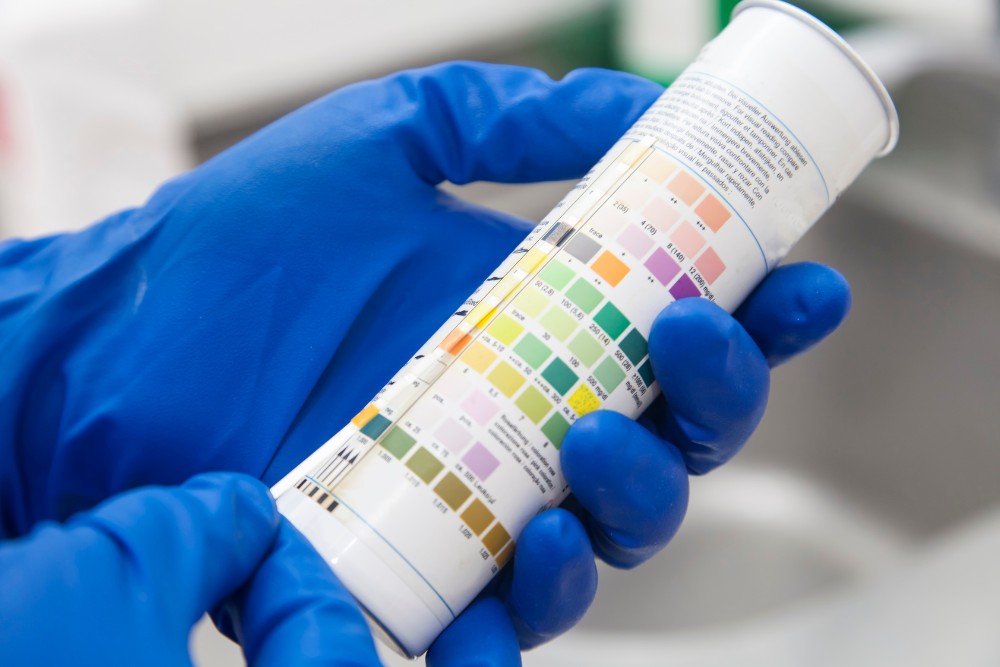
Think of them as little detective strips for your wee. They’re small plastic sticks with chemical pads attached that change colour when they come into contact with certain substances in your urine. Most commonly, they test for two things: leukocytes (white blood cells that appear when you’re fighting an infection) and nitrites (which certain bacteria produce when they’re having a party in your urinary tract).
The clever bit is how quick they are. Within about sixty seconds, you can get a fairly reliable indication of whether bacteria are causing your symptoms. According to NHS guidance on UTIs, these tests are generally accurate for detecting infections, though they’re not infallible.
I should mention that these strips test for the most common type of UTI – bacterial infections caused by E. coli and similar nasties. They won’t pick up every possible cause of urinary symptoms, which is why they’re a screening tool rather than a definitive diagnosis.
Should You Actually Use Them at Home?
This is where it gets interesting. The British Society for Antimicrobial Chemotherapy published research in 2021 examining self-diagnosis and treatment of UTIs, and the picture is more nuanced than you might think.
On one hand, having test strips at home can be genuinely useful. If you’re someone who gets recurrent UTIs – and we’re talking about the roughly 20% of women who experience repeated infections – being able to test yourself quickly can help you catch infections early. Some women can now access UTI treatments through online pharmacies if they have a positive test strip result, though this varies depending on your circumstances and history.
But here’s the rub: test strips aren’t perfect. They can show false negatives, particularly if you’re drinking loads of water (which dilutes your urine) or if you test first thing in the morning when bacterial counts are lower. They can also occasionally show false positives if you’re contaminating the sample or if you’ve got certain other conditions affecting your urinary tract.
My take? They’re brilliant for people with recurrent UTIs who’ve learned to recognise their symptoms. Less brilliant if it’s your first suspected infection or if your symptoms are unusual or severe.
What to Look for When Buying Test Strips
Walk into Boots or browse online, and you’ll find several brands ranging from about £5 to £15 for a pack. The main differences? Number of strips included and occasionally the range of things they test for.
Most standard strips test for those two key markers I mentioned: leukocytes and nitrites. Some fancier versions also test for blood, protein, or pH levels. Honestly? For detecting a straightforward UTI, the basic two-parameter tests do the job perfectly well. The NICE guidelines on urinary tract infections focus primarily on these two indicators anyway.
Check the expiry date – this matters more than you’d think because the chemicals on those pads degrade over time. And once you’ve opened the container, use them within a few months. Don’t leave them languishing in a damp bathroom cabinet for years.
Storage matters too. Keep them somewhere dry and at room temperature. I learned this the hard way after storing mine in the bathroom – the humidity affected the results.
The Bigger Picture: When to Skip the DIY Approach
Look, I’m all for taking charge of your own health, but there are times when you absolutely need to see a doctor rather than relying on home testing. If you’re pregnant, definitely get proper medical attention. Same goes if you’ve got kidney disease, diabetes, or you’re immunocompromised.
Got a fever along with your urinary symptoms? That could signal a kidney infection rather than a simple bladder infection, and that’s not something to mess about with at home. Severe pain, blood in your urine that’s more than a trace amount, or symptoms that won’t shift after a few days of treatment – all reasons to get yourself to a GP or walk-in centre.
And men, if you’re reading this and experiencing UTI symptoms, I’d strongly suggest getting checked out properly. UTIs are less common in blokes, so when they do occur, they sometimes signal an underlying issue that needs investigating.
The whole point of having test strips at home isn’t to replace medical care entirely. It’s about empowering yourself to make informed decisions about when you need that care and potentially catching infections before they become properly miserable. Used sensibly, they’re a genuinely useful tool in your bathroom cabinet – just don’t expect them to solve every urinary concern you might have.
