
Look, I’m not going to tell you to skip the doctor if you think you’ve got a UTI. That would be irresponsible, and frankly, UTIs can turn nasty if they spread to your kidneys. But I also know that many of us have been there at 11pm on a Saturday night, feeling that telltale burning sensation and desperately googling anything that might help before Monday morning rolls around.
The thing is, whilst antibiotics remain the gold standard treatment—and for good reason—there’s actually some decent science behind certain natural approaches that might help, either as supportive measures alongside proper medical treatment or potentially for very mild cases.
The NHS notes that mild UTIs can sometimes clear up on their own within a few days, though they’re quick to add (as am I) that you should see a GP if symptoms don’t improve. If you want to run your own assessment then you can easily buy some UTI testing strips on Amazon.
The Cranberry Situation: More Than Just Old Wives’ Tales
Right, let’s address the elephant in the room. Cranberries. Your gran probably swore by them, and you’ve likely wondered if there’s any truth to it or if it’s just one of those things everyone says without evidence.
Turns out, there’s something to it. A fairly recent Cochrane review on the benefits of Cranberries —and if you don’t know, Cochrane reviews are basically the gold standard of medical evidence—found that cranberry products do reduce the risk of repeat symptomatic UTIs in women, children, and people susceptible to UTIs after medical interventions. Not a miracle cure, mind you, but genuine preventive benefits.
The science is about proanthocyanidins, compounds in cranberries that seem to stop E. coli bacteria from sticking to the urinary tract walls. But here’s the catch: you need proper cranberry products, not that sugary juice from the supermarket that’s mostly apple juice and sweetener. We’re talking pure cranberry juice (which tastes absolutely vile, I’ll be honest) or concentrated supplements, like Elements UT Rescue Supplement.
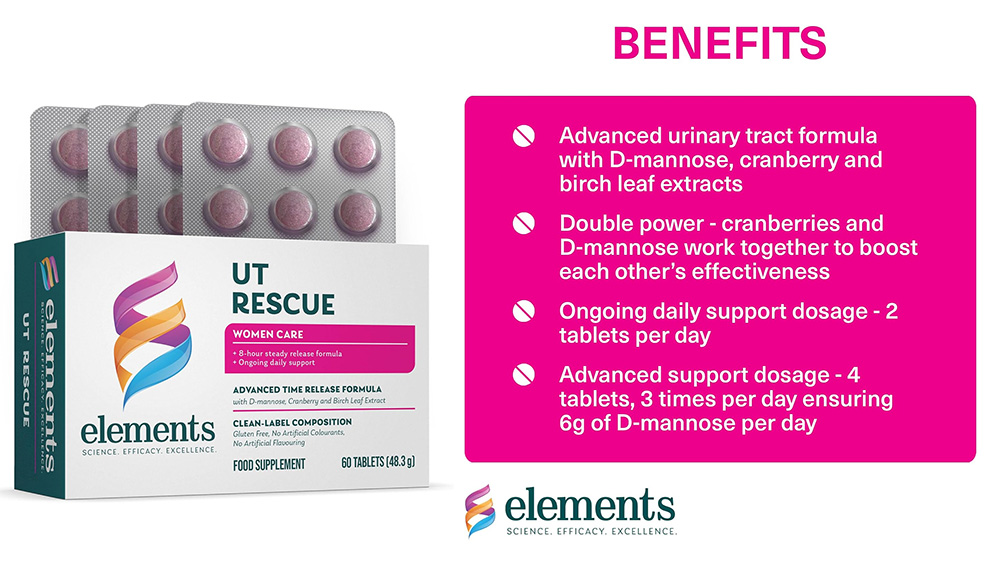

I think it’s worth noting that cranberry products work better for prevention than treatment. If you’re already in agony, don’t expect instant relief.
Water, Water, and Then Some More Water
This sounds almost too simple to mention, but drinking loads of water genuinely helps. I mean really loads—we’re talking about flushing your system properly.
When you’re drinking plenty of fluids, you’re essentially diluting the bacteria in your bladder and urinating more frequently, which physically removes bacteria from your urinary tract. It’s not complicated, but it’s effective. The NHS recommends drinking plenty of fluids, particularly water, as a first-line approach for mild cystitis.
Aim for at least six to eight glasses daily when you’ve got symptoms. Yes, it means constant trips to the loo, which isn’t fun when urinating feels like passing razor blades. But that’s rather the point—you’re evicting the bacterial squatters.
D-Mannose: The Supplement You’ve Probably Never Heard Of
This is where things get interesting. D-mannose is a type of sugar (related to glucose) that you can buy as a supplement, and there’s some genuinely promising research behind it.
A 2014 study published in the World Journal of Urology found that D-mannose supplements was nearly as effective as antibiotics for preventing recurrent UTIs in women, with significantly fewer side effects. The theory is similar to cranberries—it prevents bacteria from sticking to the urinary tract walls, so they get flushed out when you urinate.
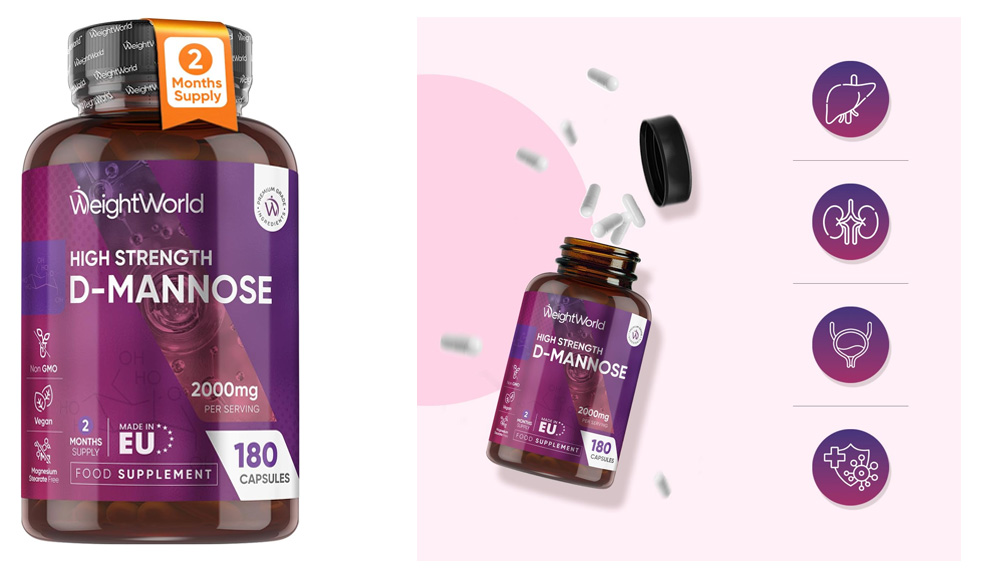
I should mention that whilst the research is encouraging, we don’t have decades of data like we do with antibiotics. It’s not regulated as strictly as medications, either. But for people who get frequent UTIs and want to try reducing their antibiotic use, it’s worth discussing with a healthcare provider.
The typical dose is around 2 grams taken two or three times daily. Some people take it preventively, others at the first sign of symptoms.
What About Other Home Remedies?
You’ll find loads of other suggestions floating around the internet. Some have a bit of science behind them, others are more hopeful thinking than evidence.
Vitamin C supplements get mentioned frequently. The idea is that they make your urine more acidic, creating an environment bacteria don’t fancy. There’s limited evidence it helps much with active infections, though it might have some preventive benefits.
Probiotics are another area of interest. We know that having healthy bacteria in your gut and vaginal area can help prevent UTIs (particularly after antibiotic treatment, which wipes out good bacteria along with bad). Lactobacillus strains seem most promising, but again, we’re looking at prevention more than treatment.
Heat pads on your lower abdomen won’t cure anything, but they can make you more comfortable whilst your body’s fighting the infection. Sometimes comfort measures count for a lot.

When Natural Isn’t Enough (Which Is Often)
Here’s where I need to be really clear. UTIs can escalate quickly. If bacteria reach your kidneys, you’re looking at a potentially serious infection that absolutely requires antibiotics.
See a doctor if you’re experiencing fever, back pain, nausea, or vomiting. See a doctor if you’re pregnant (UTIs during pregnancy need immediate treatment). See a doctor if symptoms haven’t improved after a couple of days. And definitely see a doctor if you’re seeing blood in your urine or feeling generally rubbish.
Natural approaches have their place—prevention, mild symptoms, or as complementary support alongside medical treatment. But they’re not replacements for proper medical care when you need it. Antibiotic resistance is a real concern, and I understand wanting to avoid unnecessary antibiotics. But an untreated UTI that spreads to your kidneys is a much bigger problem than a short course of appropriate antibiotics.
Perhaps the best approach is using natural methods preventively if you’re prone to UTIs and also regularly use urine test strips to monitor the situation. Then, it’s about knowing when to seek proper medical treatment if an infection takes hold. That way, you’re giving your body the best chance whilst staying safe.