

I’ll be honest—when most people think about diabetes testing, they picture finger pricks and blood glucose monitors, not a simple urine test. But here’s something that might surprise you: checking your wee for signs of diabetes has been around for centuries, and it’s still genuinely useful today, even if it’s not the main diagnostic tool anymore.
Let me explain what’s actually going on with these dipstick tests, because there’s more to them than you’d think.
What’s a Urine Dipstick Actually Checking For?
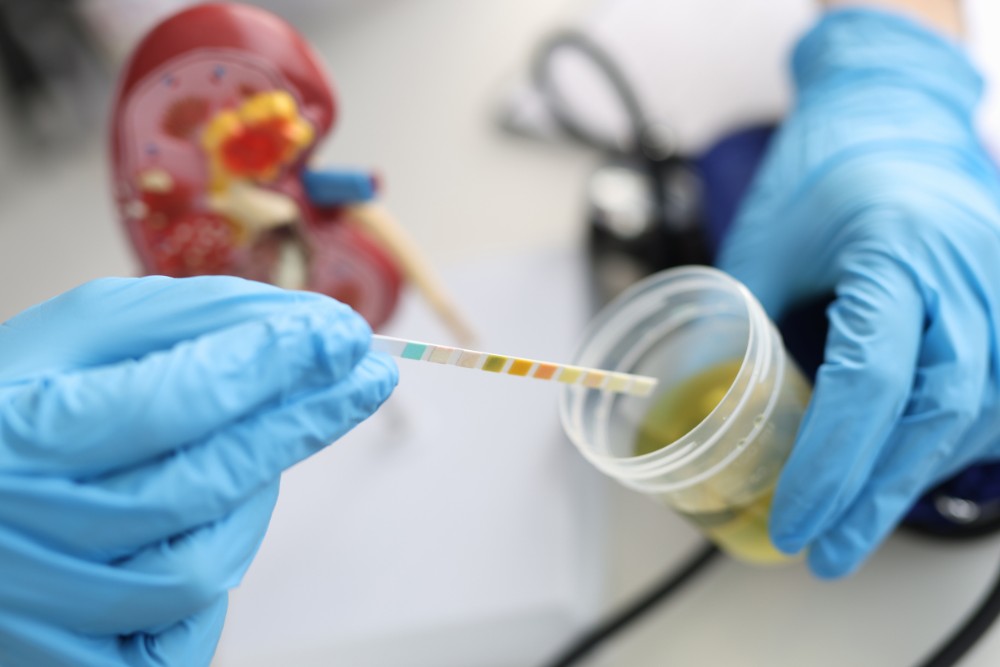
Right, so a urine dipstick test is this small plastic strip covered in different chemical pads. You dip it in a urine sample, and within seconds, those pads change colour to indicate various things happening in your body. For diabetes specifically, the test is looking for two main markers: glucose and ketones.
Normally, your kidneys don’t let glucose spill into your urine. They’re quite good at holding onto it, actually. But when your blood sugar climbs above roughly 10 mmol/L—which is about 180 mg/dL if you’re looking at American references—your kidneys can’t reabsorb it all anymore. That’s when it starts showing up in your wee. According to NHS guidance on diabetes, this glucose spillage is one of the classic signs that prompted doctors to investigate diabetes in the first place, long before we had fancy blood tests.
Ketones are a different story. These appear when your body starts burning fat for fuel instead of glucose, which can happen in uncontrolled type 1 diabetes. It’s actually quite serious—a condition called diabetic ketoacidosis that needs immediate attention.
Can You Actually Diagnose Diabetes This Way?
Here’s where it gets interesting. You can’t reliably diagnose diabetes with a urine test alone anymore, and honestly, you shouldn’t try. I know that sounds contradictory given what I’ve just explained, but bear with me.
The problem is timing and thresholds. Glucose only appears in urine once your blood sugar’s already quite elevated. You could have type 2 diabetes brewing with blood sugar levels that are definitely too high—say, around 7-9 mmol/L—but still below that kidney threshold. Your dipstick would come back clear as day, giving you false reassurance.
Research published in Diabetes Care back in 2021 confirmed what clinicians have known for ages: urine glucose testing has poor sensitivity for detecting diabetes, missing a significant proportion of cases. The gold standard remains blood tests—specifically, HbA1c tests that show your average blood sugar over three months, or fasting glucose measurements.
So Why Do Doctors Still Use Them?
Fair question. If they’re not great for diagnosis, what’s the point?
Well, dipstick tests are brilliant for monitoring people who already have diabetes, particularly type 1. If you’re checking for ketones when you’re feeling unwell or your blood sugars are running high, a dipstick gives you an instant answer about whether you’re heading towards ketoacidosis. That’s genuinely life-saving information.
They’re also used in routine health checks and pregnancy care. According to NHS information on gestational diabetes, pregnant women often have urine tests at antenatal appointments, though these days they’re more likely to have blood tests if diabetes is suspected. The dipstick serves as a quick screening tool—if glucose shows up, it prompts further investigation.
GP surgeries sometimes use them as part of general health MOTs too. They’re cheap, quick, and can hint at various issues beyond diabetes—kidney problems, urinary infections, that sort of thing. But I can’t stress this enough: finding glucose on a dipstick means you need proper blood tests, not that you definitely have diabetes.
What If You’re Testing at Home?
You can buy these dipsticks yourself—they’re available at most pharmacies. Some people with diabetes keep them at home specifically for checking ketones when they’re unwell. That makes perfect sense if it’s part of your diabetes management plan that you’ve discussed with your healthcare team.
But if you’re testing because you’re worried you might have diabetes? Please don’t rely on a negative result to rule it out. The symptoms of diabetes—excessive thirst, weeing more often, unexplained tiredness, blurred vision—warrant a proper blood test, regardless of what a dipstick shows.
I’ve heard from several people who delayed getting checked because they’d tried a home urine test that came back normal. Meanwhile, their blood sugar was sitting at 8 or 9 mmol/L—not astronomical, but definitely diabetic range. Those months of delay meant their condition wasn’t being managed, which isn’t ideal for long-term health.
The other thing worth mentioning: certain medications and even what you’ve eaten recently can affect dipstick results. Vitamin C supplements, for instance, can interfere with the glucose reading. It’s not the most reliable test even under perfect conditions.
Look, I think urine dipsticks have their place—they’re a useful tool in the right context. But we’ve moved beyond them being the primary way to detect diabetes, and that’s actually brilliant news. Blood tests catch the condition earlier, when you’ve got the best chance of managing it effectively and preventing complications down the line.
If you’re concerned about diabetes, book an appointment with your GP and ask for an HbA1c test. It takes a minute, gives you reliable information, and you’ll actually know where you stand. That’s got to be worth more than wondering about the colour changes on a plastic strip, hasn’t it?
