You know that burning sensation that makes you want to live on the loo? If you’ve ever suspected a UTI, you’ve probably stood in Boots eyeing those home test strips, wondering if they’re actually worth the £8 or if you should just book a GP appointment. I’ve been there, and honestly, the answer isn’t quite as straightforward as the packaging suggests.
Let’s talk about what these little strips can and can’t tell you—because there’s a fair bit of confusion floating around.
What Are These Strips Actually Testing For?
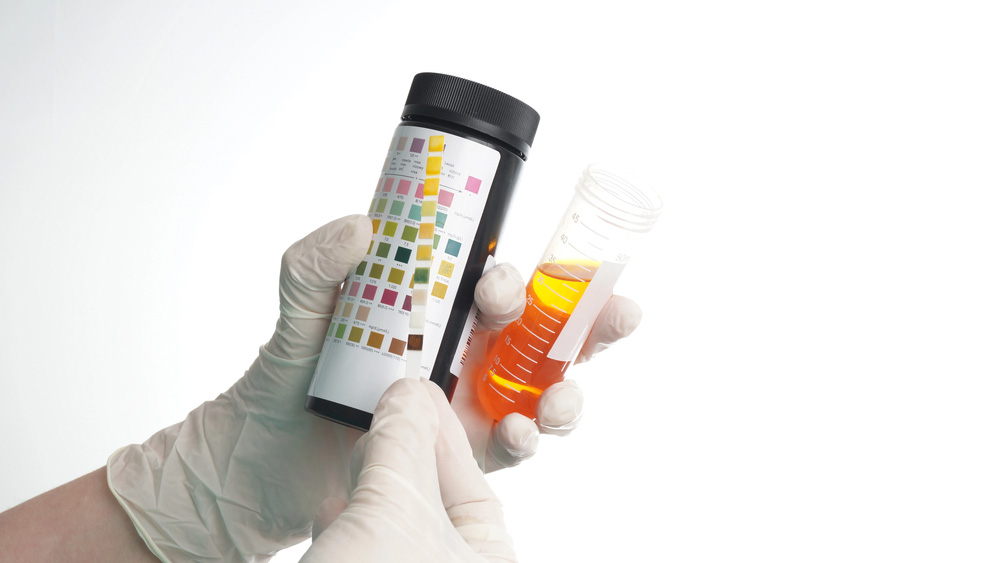
UTI test strips work by detecting two main things in your urine: nitrites and leukocytes (white blood cells). The science is fairly simple. When bacteria hang about in your bladder, many of them convert naturally occurring nitrates in your wee into nitrites. Meanwhile, your immune system sends white blood cells to fight the infection, which is why they show up too.
Sounds foolproof, right? Well, here’s where it gets interesting.
The strips are pretty good at ruling things out. If both markers come back negative, there’s roughly a 90% chance you don’t have a UTI. But the flip side? If they’re positive, you’re only looking at about 50% accuracy for actually confirming an infection, according to research from the University of Southampton that examined over 3,000 cases. That’s basically a coin toss.
The NHS notes that while these tests can be useful, they’re not a replacement for proper medical diagnosis—and there’s good reason for that caution.
Why the Accuracy Gets Wobbly
Several things can throw these strips off their game. Timing matters more than you’d think. If bacteria haven’t been in your bladder long enough—say, less than four hours—they might not have produced enough nitrites to register. This is why doctors often suggest using first-morning urine for testing.
Then there’s the bacteria question. Not all UTI-causing bacteria produce nitrites. Enterococcus and Staphylococcus saprophyticus, for instance, are perfectly capable of causing a raging infection without triggering that nitrite marker. I learned this the hard way when my sister’s test came back negative despite absolutely textbook UTI symptoms.
Hydration levels can mess with results too. If you’ve been downing water like it’s going out of fashion (which, let’s face it, you probably have because it hurts less), you might dilute those markers below detection levels. Certain foods, medications, and even vitamin C supplements can interfere with the chemical reactions on the strip.
When Home Testing Makes Sense (And When It Really Doesn’t)
Look, I’m not saying these strips are useless. They have their place, particularly if you’re someone who gets recurrent UTIs and can recognise your symptoms with your eyes closed. A 2019 study published in the BMJ suggested that women with a history of UTIs could effectively use home tests combined with delayed prescribing—where your GP gives you an antibiotic prescription to use only if symptoms persist.
This approach actually reduced antibiotic use by about 20% without increasing complications. That’s not nothing, especially when we’re all trying to be more mindful about antibiotic resistance.
But here’s where I’d pump the brakes: if this is your first suspected UTI, you’re pregnant, you’ve got kidney pain or fever, you’re a bloke, or you’re dealing with a child’s symptoms—skip the home test and get proper medical attention. These situations need a healthcare professional’s eyes on them, full stop.
Men, in particular, need proper investigation because UTIs are less common and often signal an underlying issue that needs checking out. The NHS diagnostic guidelines are quite clear about when home testing isn’t appropriate.
The Bottom Line on DIY UTI Testing
So, are UTI test strips accurate? They’re decent at ruling out infections, but not brilliant at confirming them. Think of them as a first-pass tool rather than a definitive answer.
If you’re going to use them, do it smartly. Test with first-morning urine when possible, follow the instructions precisely (those timing windows matter), and don’t ignore negative results if your symptoms are screaming otherwise. A negative test with classic UTI symptoms deserves a trip to your GP or a visit to a pharmacy for a consultation.
Perhaps most importantly, don’t let a positive home test lead you to self-medicate with leftover antibiotics from that time you didn’t finish your prescription. I know it’s tempting when you’re desperate for relief, but it’s genuinely dangerous territory—wrong antibiotics, wrong doses, and you’re potentially breeding resistant bacteria in your own body.
The strips cost less than a tenner and can save you a GP appointment when used appropriately. But they’re not a magic bullet, and they certainly aren’t a substitute for professional medical advice when things don’t add up. Your body’s usually pretty good at telling you when something’s properly wrong—and that’s when it’s time to pick up the phone rather than peeing on another stick.
If you’re dealing with recurrent infections, have a chat with your GP about whether home testing might work as part of your management plan. They can help you understand your specific situation and when to trust those little strips versus when to seek help. Because honestly, that’s probably worth more than a whole box of test strips.