

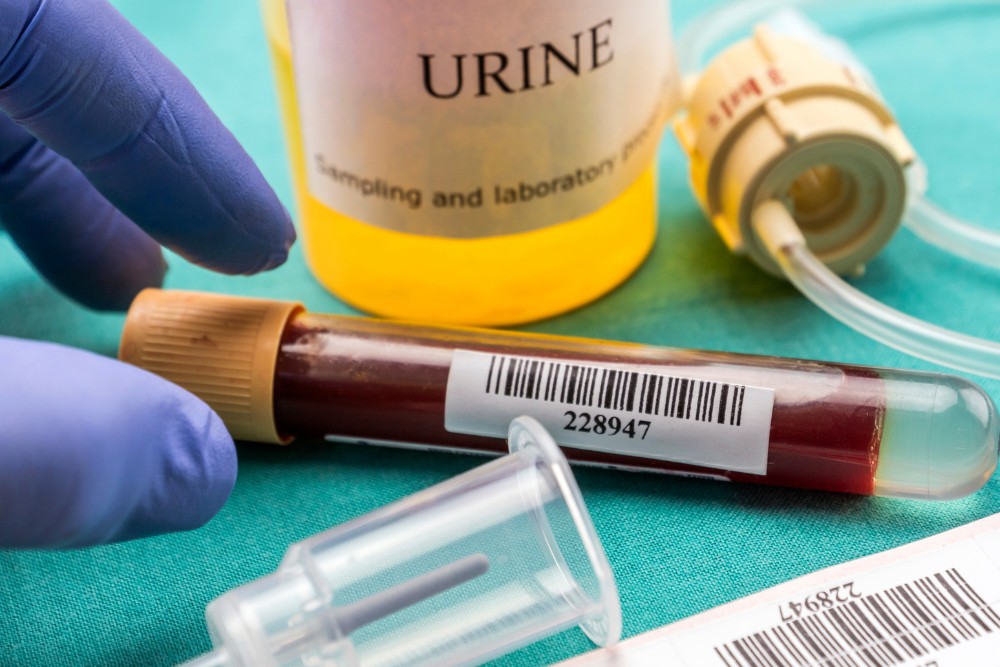
Right, so you’ve spotted blood in your urine but nothing actually hurts. If I’m honest, that’s often more unsettling than when there’s pain involved, isn’t it? At least with pain, you’ve got a clear signal that something’s wrong. But painless blood in your urine—what doctors call haematuria—can feel properly confusing. Your mind races through possibilities, Google doesn’t help, and you’re left wondering whether to panic or wait it out.
Let me tell you straight away: this isn’t something to ignore, even if you feel perfectly fine otherwise.
Why Blood Shows Up Without the Pain
Here’s the thing about painless haematuria—it’s actually quite common, and the causes range from utterly harmless to things that need proper attention. Sometimes you’ll see visible blood (your wee looks pink, red, or even cola-coloured), whilst other times it only shows up on a routine urine test. That invisible version is called microscopic haematuria, and it’s often picked up during checks for something else entirely.
According to the NHS, blood in your urine should always be checked by a GP, particularly when there’s no obvious cause like a urinary tract infection. The absence of pain doesn’t make it less important—sometimes it makes it more so.
I know what you’re thinking. Everyone immediately jumps to the worst-case scenario. But let’s be sensible about this. Research published in the British Journal of General Practice found that amongst patients referred to specialists for painless visible haematuria, roughly 20% had a significant underlying cause that needed treatment. That means 80% didn’t. But those odds aren’t really the point—the point is getting checked so you know which group you’re in.
The Usual Suspects (And Some Less Common Ones)
Kidney stones can bleed without causing pain, especially smaller ones. They’re like little troublemakers that might scrape the lining of your urinary tract on their way through. Sometimes you’ll pass them without even noticing.
Enlarged prostate—that’s a big one for men over 50. As the prostate grows (which it does naturally with age, annoyingly), it can cause bleeding. This doesn’t usually hurt, but you might notice other symptoms like difficulty starting to wee or a weak stream.
Then there’s bladder or kidney cancer, which I’m mentioning because it’s important, not because it’s the most likely explanation. These conditions often present with painless bleeding, which is precisely why doctors take this symptom seriously. A 2019 study from Cancer Research UK noted that visible blood in urine is the most common first symptom of bladder cancer, present in about 80% of cases at diagnosis. Early detection makes a massive difference to outcomes, so this is exactly why you shouldn’t sit on this.
Other possibilities? Kidney disease, certain medications (blood thinners are notorious for this), strenuous exercise (yes, really—marathon runners sometimes get temporary haematuria), and even some foods like beetroot can make your urine look red, though that’s not actually blood.
What Actually Happens When You See Your GP
Let’s walk through what you can expect, because I think knowing this makes it less daunting. Your doctor will ask questions—possibly quite a few. How much blood? How often? Any other symptoms at all, even minor ones? Do you smoke? (Smoking significantly increases bladder cancer risk, so they always ask.) What medications are you taking?
They’ll examine you and test your urine properly. Not just a glance—a full analysis that checks for infection, protein, and confirms the blood. Blood tests usually follow to check your kidney function.
If everything points to infection, you’ll get antibiotics and a recheck afterwards. But if there’s no infection, or if you’re over 45 with visible blood, you’ll likely be referred to a urologist. According to NICE guidelines, GPs should refer patients with unexplained visible haematuria within two weeks for specialist investigation.
The specialist might do a cystoscopy (a camera that looks inside your bladder—sounds worse than it is, honestly) and imaging like an ultrasound or CT scan to check your kidneys and urinary tract.
The Waiting Game and What You Can Do
I won’t pretend the wait between seeing your GP and getting answers isn’t stressful. It is. But try to remember that most causes of painless haematuria are treatable, and many resolve on their own.
While you’re waiting, keep track of what you notice. Does the blood appear at the start of urination, throughout, or at the end? That detail actually helps doctors narrow down where the bleeding’s coming from. Stay hydrated—drinking plenty of water is always sensible. And perhaps keep a symptom diary, even if you feel fine. Sometimes patterns emerge that aren’t obvious at first.
Look, I’ve seen enough health journalism to know that articles like this can either reassure or terrify, depending on how they’re written. My aim here is to land somewhere in the middle—realistic but not alarmist. Painless blood in your urine deserves proper medical attention, but it’s not an automatic catastrophe. The human body sometimes does odd things, and often there’s a straightforward explanation.
The takeaway? Don’t ignore it, don’t Google yourself into a panic spiral at 2am, and do book that GP appointment. That’s genuinely all you need to do right now. The medical system knows how to investigate this properly, and getting checked is always better than worrying alone.
