

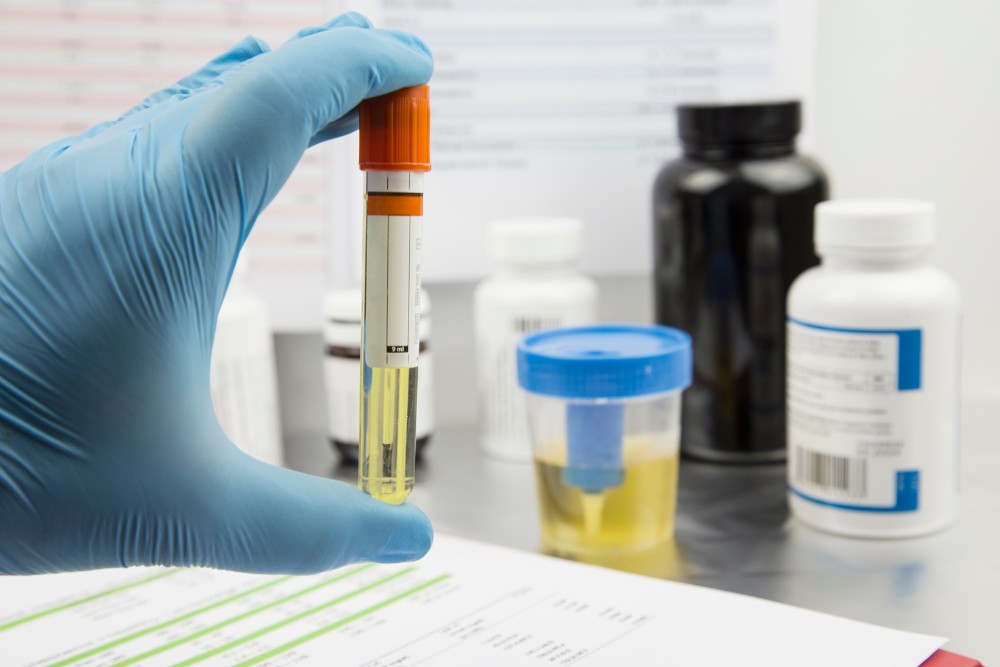
Here’s something that might surprise you: the simple act of checking your urine was actually one of the first ways doctors diagnosed diabetes, long before we had fancy blood tests and continuous glucose monitors. Ancient physicians would literally taste urine to detect sweetness – thankfully, we’ve moved on from that rather unpleasant method. But diabetes urine tests remain relevant today, and they’re more sophisticated than you might think.
I’ve spent years writing about diabetes management, and I still find it fascinating how this straightforward test continues to play an important role, even if it’s not the primary diagnostic tool anymore. Let me walk you through what these tests actually measure, when they’re useful, and what the results really mean for you.
What’s Actually Being Measured?
A diabetes urine test isn’t looking for sugar just for the sake of it. It’s checking for glucose that’s spilled over into your urine because your blood sugar has climbed too high. Your kidneys act like filters – when blood glucose exceeds about 10 mmol/L (which is roughly 180 mg/dL if you’re reading American sources), they can’t reabsorb it all, and it ends up in your wee.
Modern urine tests also check for something called ketones. These are chemicals your body produces when it starts burning fat for fuel instead of glucose. According to NHS guidance on diabetic ketoacidosis, high levels of ketones can signal a dangerous condition called DKA, which is particularly concerning for people with type 1 diabetes.
The test itself is dead simple. You dip a small strip into a urine sample, wait about 30 seconds to a minute, and the coloured pads on the strip change based on what they detect. Match the colours to a chart, and you’ve got your results. It’s low-tech, but it works.
When Do Doctors Actually Use These Tests?
Here’s where things get interesting. Despite what you might expect, urine tests aren’t the go-to method for diagnosing diabetes anymore. That honour goes to blood tests, which are far more accurate and can catch diabetes earlier. Blood tests measure glucose directly where it matters, and they can detect problems long before sugar starts appearing in urine.
But urine tests haven’t disappeared. They’re still used in several situations. Pregnant women often get them during routine antenatal checks because gestational diabetes needs monitoring. If you’re admitted to hospital feeling unwell and diabetes is suspected, a quick urine test might be done alongside blood work. And people already diagnosed with diabetes sometimes use them at home to check for ketones when they’re ill or their blood sugar is running high.
Research published in Diabetes Care back in 2021 highlighted that whilst urine glucose monitoring has largely been replaced by blood glucose testing for day-to-day management, ketone testing in urine remains clinically valuable for preventing serious complications. It’s not sexy or high-tech, but it does the job.
The Limitations You Should Know About
Let me be straight with you: urine tests have real drawbacks. The biggest one? They’re essentially giving you old news. The urine in your bladder has been sitting there for hours, so you’re not getting a real-time picture of what’s happening with your blood sugar right now. If your glucose has dropped since you last emptied your bladder, the test won’t show that.
There’s also the threshold issue I mentioned earlier. Glucose doesn’t appear in urine until blood levels are already quite elevated. This means you could have blood sugar sitting at 9 mmol/L – which is definitely too high – but your urine test would come back negative for glucose. It’s a bit like having a smoke alarm that only goes off when half your house is already burning.
Another thing that trips people up: certain medications, vitamin C supplements, and even what you’ve eaten recently can interfere with the results. I’ve seen people panic over false positives more times than I can count.
What This Means for Modern Diabetes Management
So where does this leave us? If you’re wondering whether you have diabetes, your GP will order blood tests – specifically, a fasting glucose test or an HbA1c test, which the NHS uses as standard diagnostic tools. These give a much clearer picture than any urine test could.
If you already have diabetes, particularly type 1, you might want to keep ketone testing strips at home. They’re useful when you’re sick, stressed, or your blood glucose readings are consistently above 15 mmol/L. Think of them as a safety net rather than an everyday tool.
For day-to-day monitoring, finger-prick blood tests or continuous glucose monitors are where it’s at. They’re more accurate, more timely, and give you the information you need to make decisions about food, medication, and activity. Technology has genuinely transformed diabetes management over the past couple of decades.
That said, I think there’s something reassuring about how a simple urine test can still provide valuable information when needed. Not everything in medicine needs to be complicated or expensive to be useful. Sometimes a £5 pot of test strips does exactly what’s required.
The bottom line? Diabetes urine tests have their place, but it’s a supporting role rather than the starring one. If you’re concerned about diabetes symptoms – excessive thirst, frequent urination, unexplained weight loss – don’t rely on a home urine test. Book an appointment with your GP for proper blood tests. But if you’re managing existing diabetes and need a quick way to check for ketones, these little strips are still pretty handy to have around.
