

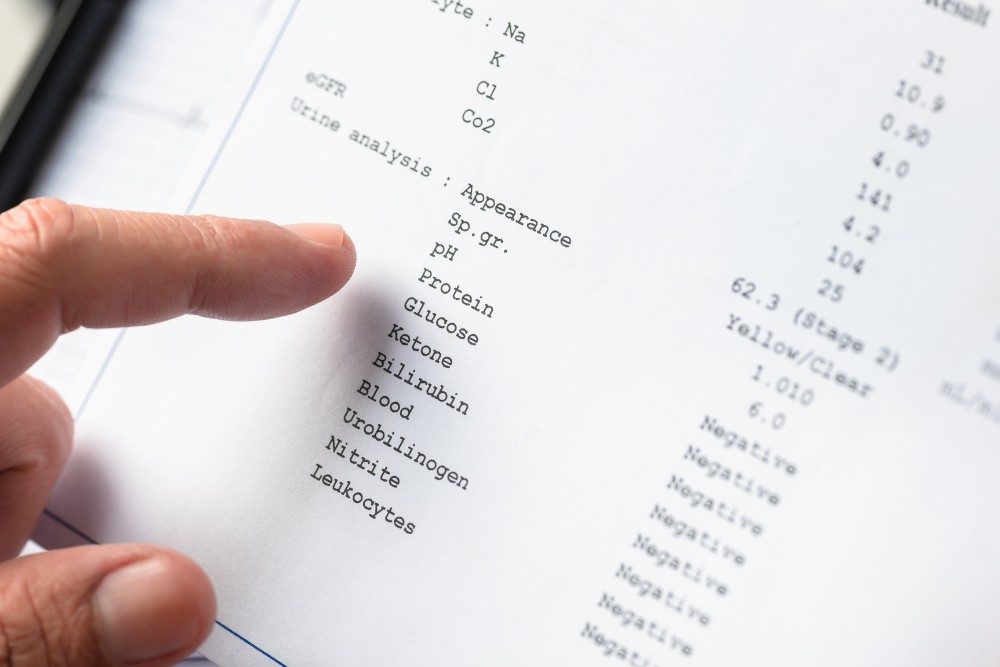
Right, so you’ve started testing your ketones and now you’re staring at numbers that might as well be hieroglyphics. I get it. When I first looked at a ketone levels chart, I had the same confused expression my cat gives me when I try to explain anything to her.
Here’s the thing though – understanding what those numbers actually mean can make the difference between spinning your wheels and making real progress, whether you’re managing diabetes, following a ketogenic diet, or dealing with another health situation entirely.
What Those Numbers Actually Tell You
Let’s start with the basics. When we talk about ketone levels, we’re measuring the concentration of ketones in your blood, breath, or urine. Your body produces these molecules when it starts burning fat for fuel instead of glucose. Sounds simple enough, right?
Blood ketone measurements (which are the most accurate, by the way) are given in millimoles per litre, or mmol/L if you want to sound properly scientific at dinner parties. Here’s where things get interesting – and where that chart becomes useful.
Normal ketone levels in people who aren’t following a low-carb diet typically sit below 0.6 mmol/L. It’s baseline. Nothing dramatic happening here.
But once you start restricting carbohydrates, those numbers begin climbing. According to research published by Diabetes UK, nutritional ketosis – that sweet spot people aim for on ketogenic diets – generally falls between 0.5 and 3.0 mmol/L. Diabetes UK emphasises that understanding these ranges is particularly important for anyone with diabetes, where monitoring becomes a medical necessity rather than just dietary curiosity.
Now, here’s where I need to sound a bit serious for a moment. Levels above 3.0 mmol/L start moving into territory that needs attention. And anything above 10-15 mmol/L? That’s diabetic ketoacidosis (DKA) range, which is a medical emergency. Big difference between that and nutritional ketosis, despite what some confused internet commenters might suggest.
Reading Your Results: The Context Matters
I think one of the biggest mistakes people make is treating these numbers like exam scores – higher must be better, right? Not exactly.
If you’re testing for weight loss or general health purposes, being somewhere in that 0.5-3.0 mmol/L range is perfectly fine. Some people find their sweet spot at 1.5 mmol/L, others feel best at 0.8 mmol/L. Bodies are annoyingly individual like that.
But if you’re managing Type 1 diabetes or certain other conditions, you need to be more vigilant. The NHS guidelines on diabetic ketoacidosis make it clear that people with diabetes should test their ketones when blood glucose levels go above 15 mmol/L, or if they’re feeling unwell. In that context, even moderately elevated ketones warrant a call to your healthcare team.
Timing matters too. Your ketone levels fluctuate throughout the day. They’re typically lowest in the morning after you’ve fasted overnight (counterintuitive, I know) and highest in the evening. So comparing a Monday morning reading to a Wednesday evening one is a bit like comparing apples to… well, slightly different apples.
The Different Ways to Measure
You’ve got three main options for testing: blood, breath, or urine. Each comes with its own quirks.
Blood testing gives you the most accurate picture. Those little strips are pricey though – we’re talking 80p to £1 per test. It’s the method most healthcare professionals recommend when accuracy matters.
Breath meters measure acetone, which is one type of ketone. They’re reusable (nice for your wallet) but the readings can be influenced by things like how much water you’ve drunk or whether you’ve just exercised. Think of them as giving you the general vibe rather than precise numbers.
Urine testing strips for Ketones are the budget option, but here’s the catch: they only measure excess ketones your body is dumping because it hasn’t adapted to using them efficiently yet. Once you’re fat-adapted, urine strips often show low readings even when you’re in solid nutritional ketosis. They’re useful when you’re starting out, less so three months in.
What to Do With This Information
So you’ve tested, you’ve checked your chart, you’ve got a number. Now what?
If your levels are consistently below 0.5 mmol/L and you’re trying to achieve nutritional ketosis, it probably means you’re eating more carbs than you thought. Those “low-carb” packaged foods can be sneaky. Or perhaps you’re one of those people (they exist) who need to go quite low – under 20g of carbs daily – to see results.
Seeing numbers above 3.0 mmol/L isn’t necessarily cause for panic if you don’t have diabetes and you’re feeling fine. Some people naturally run higher, especially during extended fasts or intense training periods. But it’s worth mentioning to your GP at your next appointment, just to be safe.
The real skill is learning to connect how you feel with what the numbers say. I’ve met people who feel absolutely brilliant at 0.8 mmol/L but exhausted and foggy at 2.5 mmol/L. Your subjective experience matters as much as the objective data.
Track your results for a few weeks. Note patterns. Do your levels spike after certain foods? Drop during stressful periods? Understanding your personal patterns makes that ketone levels chart transform from confusing numbers into actually useful information.
And look, if you’re ever unsure about your readings – especially if you have diabetes or another health condition – just ring your doctor’s surgery. That’s what they’re there for, and believe me, they’d much rather you ask than guess wrong.
The chart is a tool, not a scorecard. Use it to understand what’s happening in your body, adjust your approach if needed, and then get on with actually living your life. Which is, after all, rather the point of getting healthy in the first place.
