

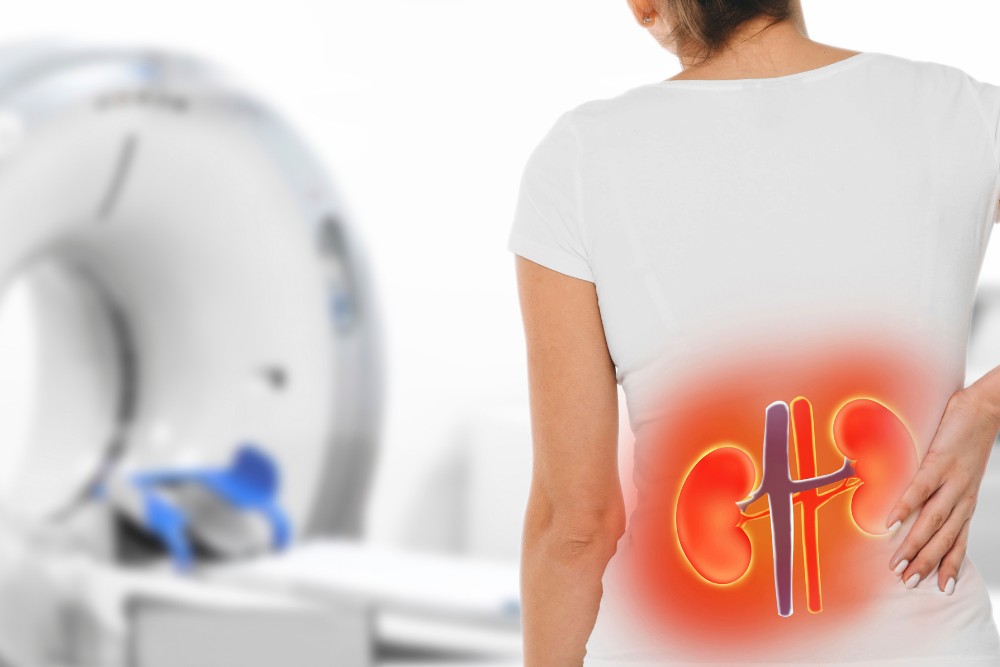
Right, let’s talk about something that nobody really wants to discuss but probably should: blood in your urine when you’ve got kidney stones. It’s one of those symptoms that can send you into a proper panic—and honestly, I get it. Seeing red when you’re having a wee is alarming, full stop.
But here’s the thing: if you’re dealing with kidney stones, blood in your urine is actually quite common. Not pleasant, certainly not something to ignore, but also not always the emergency your racing heart might be telling you it is.
Why Kidney Stones Make You Bleed
Think about what’s happening inside your body for a moment. You’ve got these hard mineral deposits—basically tiny rocks—trying to travel through tubes that weren’t designed for anything solid. Your ureters, those narrow passages connecting your kidneys to your bladder, are only about 3-4 millimetres wide. Now imagine pushing a stone that might be 5 or 6 millimetres through that space.
It’s not subtle.
The medical term is haematuria, but let’s just call it what it is: blood in your pee. Sometimes you can see it clearly—that’s called gross haematuria. Other times, it’s only visible under a microscope—microscopic haematuria. According to the NHS, blood in urine is one of the main symptoms of kidney stones, alongside that infamous pain that people often describe as worse than childbirth.
The stones literally scrape and irritate the delicate lining of your urinary tract as they move. It’s like dragging sandpaper through a silk tube. The tissue gets damaged, capillaries break, and blood leaks into your urine. Sometimes it’s just a little. Sometimes it’s enough to turn the toilet bowl pink or even red.
When Should You Actually Worry?
Here’s where things get a bit nuanced. Blood in your urine with kidney stones is expected, but it still warrants attention. You’re not overreacting by getting it checked out—you’re being sensible.
Research published in the British Journal of General Practice found that visible blood in urine should always be investigated, particularly in people over 50, because whilst kidney stones are a common cause, other conditions need ruling out. I’m not trying to scare you, but this is why your GP will want to see you properly rather than just reassuring you over the phone.
You should seek immediate medical help if you’re seeing blood in your urine AND experiencing severe pain, fever, chills, or difficulty urinating. That combination could signal an infection or a stone that’s caused a blockage, both of which need urgent treatment. A blocked kidney can lead to serious complications within hours, not days.
Even if you’re not in agony, persistent blood in your urine needs investigating. Don’t just assume it’s definitely stones and leave it at that.
What Doctors Look For
When you turn up at your GP surgery or A&E with bloody urine and suspected kidney stones, they’ll typically start with a urine test. Seems obvious, doesn’t it? But this dipstick test can tell them a surprising amount—not just that there’s blood present, but whether there’s infection, protein, or other concerning elements.
You’ll probably need imaging too. An ultrasound might be the first port of call, but CT scans are the gold standard for identifying kidney stones. They can spot stones as small as a millimetre and show exactly where they’re lodged. The NHS guidance on blood in urine outlines various tests you might need depending on your specific situation and medical history.
Your doctor will also want to know about your symptoms timeline. When did the bleeding start? Is it at the beginning of urination, throughout, or at the end? Each pattern can point to different locations of the problem. Beginning-of-stream blood often suggests urethral issues, whilst blood throughout typically indicates the kidneys or ureters—where stones would be hanging about causing trouble.
Living With It (And Getting Through It)
If you’re currently passing a stone and dealing with bloody urine, you’ve got my sympathy. It’s grim. But most kidney stones—about 80% according to recent figures—will pass on their own within a few weeks. Smaller stones under 5mm have an even better chance of passing without intervention.
Drink loads of water. I mean really loads—two to three litres a day if you can manage it. Yes, you’ll be running to the loo constantly, but that’s rather the point. You’re trying to flush that stone out, and diluting your urine also makes the blood less alarming to look at, which helps your mental state if nothing else.
Pain relief is important too. Don’t be a hero about this. Paracetamol and ibuprofen can both help, though always check with a pharmacist or doctor about appropriate doses, especially if you’ve got other health conditions. Some people are prescribed stronger painkillers or medications that help relax the ureter muscles.
Keep an eye on what’s coming out. I know, not the most pleasant task, but if you manage to catch the stone when it passes, your doctor can analyse it to work out what it’s made of. That information is genuinely useful for preventing future stones.
The blood should improve once the stone passes or gets removed. If it doesn’t clear up within a few days after the stone has gone, that’s another reason to follow up with your doctor. Persistent bleeding could indicate damage that needs addressing or, occasionally, another stone you didn’t know about.
Look, kidney stones are horrible. Blood in your urine is frightening. But knowledge genuinely does help here. Understanding why it’s happening and what to watch for can turn a terrifying experience into something manageable—something you can actually deal with rather than just panic about. Get it checked, follow medical advice, drink your weight in water, and remember that this will pass. Quite literally.
