

You know that uncomfortable burning sensation when you pee? The sudden urgency that sends you running to the loo every twenty minutes? If you’ve ever had a urinary tract infection, you’ll remember it wasn’t exactly a pleasant experience. And here’s the thing – waiting days for a GP appointment when you’re pretty sure you already know what’s wrong can feel a bit pointless.
That’s where home testing kits come in. They’re not exactly new (chemists have sold them for years), but I think many people don’t realise they’re even an option. So let’s talk about what these tests actually do and whether they’re worth keeping in your bathroom cabinet.
What Actually Happens When You Test at Home
Home urine infection tests work by detecting substances in your wee that shouldn’t normally be there. Most kits look for two things: nitrites and white blood cells (the technical term is leukocytes, but let’s not get too fancy). Bacteria in your urinary tract convert nitrates into nitrites, whilst white blood cells show up when your body’s fighting an infection.
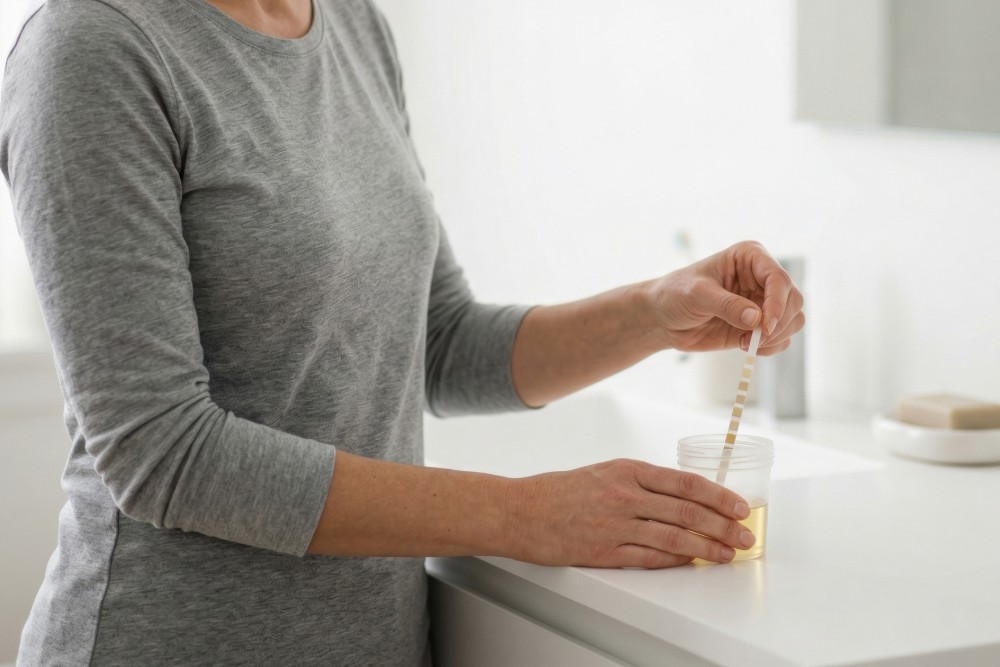
The test itself? Dead simple. You either pee directly onto a test strip or collect a sample in a clean container and dip the strip in. Wait a minute or two, and the strip changes colour. You then match those colours against a chart that comes with the kit. The whole process takes about as long as making a cup of tea.
According to NHS guidance on UTIs, these infections are incredibly common – particularly in women – and early detection can help you get treatment faster. But here’s what I find interesting: the NHS also points out that not all UTIs need antibiotics, which is partly why home testing has become more relevant.
How Reliable Are These Things, Really?
Right, let’s address the elephant in the room. Are these home tests actually accurate, or are you better off just booking that GP appointment?
The answer’s a bit nuanced. Research published in the British Journal of General Practice back in 2020 found that dipstick tests (which is what most home kits use) have varying accuracy depending on which bacteria is causing the infection. They’re pretty good at detecting E. coli infections – which, fortunately, cause about 80% of UTIs. But they can miss other bacteria or give false negatives if you’ve been drinking loads of water.
False positives happen too. Sometimes the test suggests an infection when there isn’t one, or when it’s actually something else entirely. That’s why most manufacturers (and doctors) will tell you that a home test is a screening tool, not a definitive diagnosis.
I think the main value is this: if your test comes back positive and you’ve got classic symptoms – pain, frequency, that burning sensation – it gives you solid grounds to contact your GP and request treatment without necessarily needing to come in for another test. If it’s negative but you still feel rubbish? That’s your cue to get properly checked out anyway.
When Home Testing Makes Sense (and When It Doesn’t)
Let’s be practical about this. Home testing works brilliantly if you’re someone who gets recurrent UTIs and recognises the symptoms immediately. You know your body, you know what’s happening, and the test just confirms what you already suspected.
It’s also handy if getting to a GP surgery is tricky – maybe you’re caring for young children, working awkward hours, or live somewhere where appointments are harder to snag than concert tickets. A quick home test can help you have a more informed conversation when you do speak to a healthcare professional.
But here’s when you absolutely shouldn’t rely on home testing alone: if you’re pregnant, if you’ve got kidney problems, if there’s blood in your urine (beyond the tiniest trace), or if you’re running a fever. Men with UTI symptoms should also see a doctor promptly, as infections are less common in men and might indicate something else going on. And children? Definitely need proper medical assessment.
NHS pharmacy services have actually expanded quite a bit recently, and many pharmacists can now prescribe antibiotics for uncomplicated UTIs in women. So even if you test positive at home, your local chemist might be your quickest route to treatment rather than waiting for a GP slot.
What to Look for (and What They Actually Cost)
If you’re thinking about picking up a UTI testing kit, you’ll find them in most pharmacies and online. They typically cost between £5 and £15 for a pack of three to five tests. Not exactly cheap, but potentially worth it if you catch an infection early.
Look for kits that test for both nitrites and leukocytes – this gives you better coverage than testing for just one indicator. Some fancier versions also check for blood and protein, which can provide additional information, though they’re not essential for basic UTI detection.
The strips have a shelf life, usually about two years, so check the expiry date. And store them somewhere dry – bathroom cabinets can actually be too humid, which is annoyingly ironic given what they’re for. A bedroom drawer works better.
One more thing worth mentioning: if you’re testing regularly because you get frequent infections, it’s worth discussing with your doctor whether there’s an underlying cause that needs addressing.
Recurrent UTIs aren’t just bad luck – sometimes there’s a fixable reason behind them.
So, are home urine tests the answer to all your UTI woes? Not quite. They’re a useful tool for people who know what they’re dealing with and need quick confirmation. But they’re not a replacement for medical advice when something feels properly wrong. Think of them as an early warning system rather than a complete solution – helpful, convenient, but not the final word on what’s happening in your urinary tract.
