

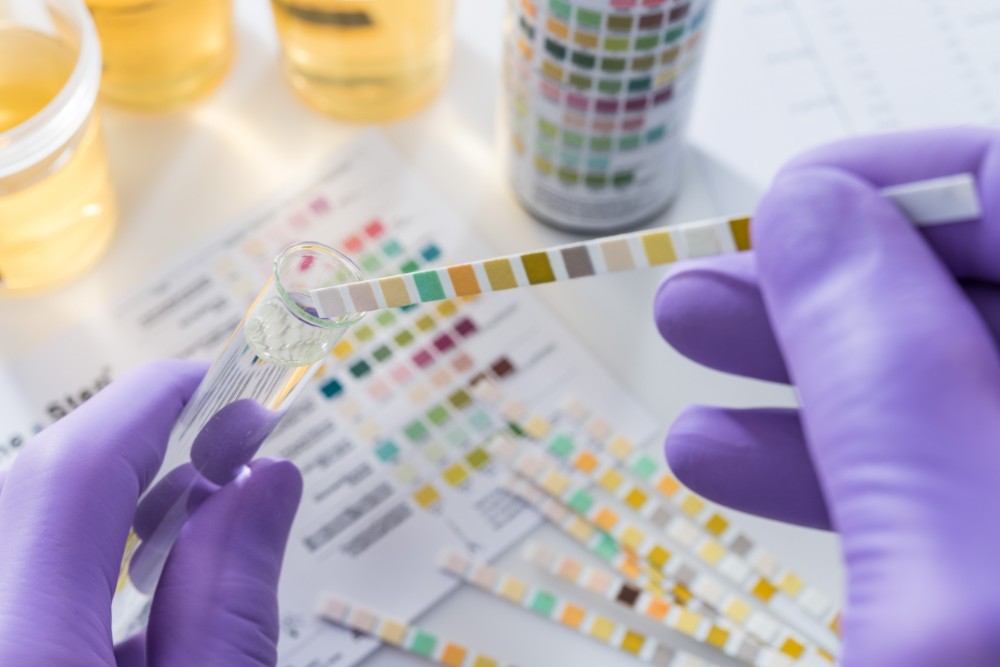
You know that slightly anxious feeling when your doctor mentions glucose levels? I’ve been there. And whilst blood tests are the gold standard for checking blood sugar, there’s this surprisingly simple tool that’s been quietly doing important work for decades: urine glucose test strips.
These little strips—which look a bit like narrow pieces of cardboard with coloured patches—can tell you whether glucose is showing up in your wee. Not exactly dinner party conversation, I’ll admit, but genuinely useful information if you’re managing diabetes or investigating symptoms.
What Actually Happens When You Test Your Urine for Glucose
Right, so here’s the thing. Normally, your kidneys are brilliant at recycling glucose back into your bloodstream. It’s like they’re running a very efficient sorting facility, making sure nothing valuable gets thrown out. But when blood glucose levels climb above about 10 mmol/L—which is well above the normal range—your kidneys basically throw their hands up and say “that’s too much,” letting the excess spill into your urine.
The test strips work through a chemical reaction. You dip one into a urine sample (or, let’s be honest, sometimes people just wee directly onto it), wait for the specified time—usually around 30 seconds to two minutes—and the little pad changes colour. Match that colour to the chart on the bottle, and you’ve got your result. Dead simple, really.
According to guidance from the NHS, glucose in urine can signal diabetes, but it’s not the primary diagnostic tool anymore. Blood tests are more accurate and catch problems earlier. That said, these strips still have their place.
When You’d Actually Use These Things
Here’s where it gets practical. If you’ve already been diagnosed with diabetes, you might wonder why anyone bothers with urine testing when blood glucose monitors exist. Fair question. Blood monitoring is definitely more precise and shows you what’s happening right now, whereas urine testing reflects what’s happened over the past few hours.
But urine glucose test strips do have specific uses. Some people with Type 2 diabetes use them as a simple check-in, particularly if they can’t tolerate finger-prick testing or want a quick snapshot without the faff. They’re also handy during pregnancy—gestational diabetes screening sometimes involves urine testing alongside other methods. Research published in the British Medical Journal has shown that whilst urine glucose testing isn’t sensitive enough to catch early diabetes, it can still flag seriously elevated levels that need attention.
I think they’re also useful for peace of mind. If you’re experiencing symptoms like excessive thirst or frequent urination and you’re waiting for a doctor’s appointment, a home urine test might give you some information—though please, don’t use it to self-diagnose or delay getting proper medical advice.
The Limitations You Should Know About
Let’s be straight about what these strips can’t do. They won’t detect low blood sugar at all—glucose only appears in urine when levels are already quite high. So if you’re worried about hypoglycaemia, these won’t help. They also can’t tell you your actual blood glucose number, just whether it’s been high enough to spill over into your urine.
Timing matters too. Because urine collects in your bladder over several hours, the test reflects an average of what’s happened, not your current state. Your blood sugar might have dropped back down by the time you test your urine, but the strip would still show glucose from earlier.
And here’s something that caught me by surprise when researching this: certain medications can interfere with the results. Vitamin C supplements, for instance, can cause false negatives. The strips can also be affected by how concentrated your urine is—if you’re dehydrated, you might get a reading that looks worse than it actually is.
Choosing and Using Them Properly
If you’ve decided urine glucose test strips are useful for your situation, here’s what you need to know. You can buy them from most pharmacies without a prescription—brands like Diastix are common in the UK. They typically cost somewhere between £7 and £12 for a pot of 50 strips.
Storage is important. Keep them in their original container with the lid tightly closed, away from moisture and direct sunlight. Once you’ve opened the bottle, they usually remain effective for about three to six months. Check the expiry date, because old strips give unreliable results.
The NHS guidance on diabetes monitoring emphasises that if you’re using these strips, you should keep a record of your results to show your healthcare team. Patterns matter more than individual readings.
One more thing: if you consistently get positive results—meaning glucose is showing up in your urine—don’t just carry on and hope it sorts itself out. That’s information your doctor needs to see, because it suggests your blood sugar management might need adjusting.
Perhaps the most important point is this: urine glucose test strips are a tool, not a complete picture. They’re like checking the oil warning light in your car—useful information, but you wouldn’t use it to tune the engine. For actual diabetes management and diagnosis, you need blood glucose monitoring and proper medical supervision. But for what they do, these little strips remain a surprisingly accessible way to keep an eye on things.
