

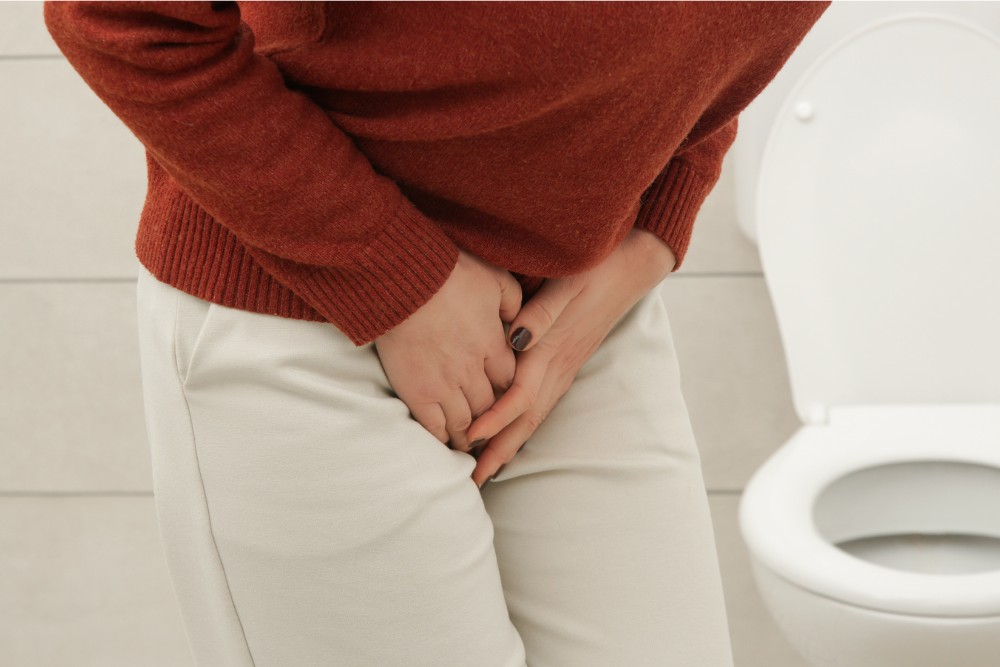
You know that unmistakable feeling when something’s not quite right down there? That sudden, uncomfortable awareness that a trip to the loo has become less than pleasant? If you’re reading this whilst crossing your legs and wincing slightly, I’m going to guess you’re dealing with UTI symptoms—or at least wondering if that’s what’s going on.
Urinary tract infections are ridiculously common. In fact, according to the NHS, roughly half of all women will experience at least one UTI during their lifetime. Men get them too, though less frequently. Yet despite how widespread they are, there’s still a lot of confusion about what actually counts as a UTI symptom versus, say, just needing a wee after too much tea.
Let me walk you through what’s actually happening when a UTI strikes, because understanding the symptoms properly can make the difference between catching it early and ending up in considerably more discomfort.
The Classic Signs Everyone Talks About
The textbook UTI symptoms are pretty distinctive once you’ve had one. That burning sensation when you pee? It’s not just uncomfortable—it’s your body’s way of screaming that bacteria have invaded somewhere they absolutely shouldn’t be.
The most common symptoms include:
- A persistent urge to urinate, even when you’ve just been
- That burning or stinging feeling during urination (medical folks call this dysuria, but let’s stick with ‘bloody uncomfortable’)
- Passing only small amounts of urine despite feeling desperate
- Cloudy, dark, or strange-smelling urine
- Pain or pressure in your lower abdomen or back
Here’s something interesting though: a 2019 study published in the Journal of Clinical Microbiology found that the colour and smell of urine alone aren’t reliable diagnostic markers. You might have perfectly clear urine and still have an infection, or cloudy urine with no infection at all. So whilst these signs are worth noting, they’re not the full picture.
When UTI Symptoms Get More Serious
Sometimes a simple bladder infection (cystitis, if we’re being technical) decides it’s going to cause more trouble. If the infection travels upward to your kidneys, you’re dealing with something more serious called pyelonephritis.
Watch out for these warning signs:
- High temperature (38°C or above) or feeling feverish and shivery
- Pain in your sides or lower back
- Feeling sick or actually being sick
- Confusion or agitation (particularly in older adults)
- Blood in your urine
If you’re experiencing any of these symptoms, don’t wait it out. The NHS advises contacting your GP straightaway or calling 111, because kidney infections need prompt treatment with antibiotics. I’ve seen friends try to ‘tough it out’ with cranberry juice and regret it—kidney infections aren’t something to mess about with.
The Tricky Cases That Confuse Everyone
Right, this is where it gets a bit complicated. Not all UTIs announce themselves with obvious symptoms. Some people, especially older adults, might experience what seems like completely unrelated issues.
Confusion or sudden changes in behaviour can actually be the primary symptom of a UTI in elderly people. My grandmother once became unusually disorientated and sleepy, and we initially worried about dementia progression. Turns out it was a UTI—once treated, she was back to her usual sharp self within days.
Then there’s the opposite problem: feeling like you have UTI symptoms when you actually don’t. Interstitial cystitis, vaginal infections, kidney stones, and even certain soaps or bubble baths can mimic UTI symptoms. This is why proper diagnosis matters rather than just assuming.
Recurrent UTIs are another beast entirely. If you’re getting them more than twice in six months, there’s usually an underlying reason worth investigating. It might be related to hormonal changes (particularly during menopause), or structural issues in the urinary tract.
What Actually Helps When Symptoms Strike
So you’re pretty certain you’ve got a UTI. What now?
First things first: drink plenty of water. I know it seems counterintuitive when peeing hurts, but diluting your urine actually reduces that burning sensation. Some people swear by cranberry products, and whilst research is mixed on prevention, they probably won’t hurt (unless you’re on certain medications like warfarin).
You can also purchase some UTI testing strips to confirm whether or not, something is present. UTI pee sticks also help you to monitor the PH levels of your urine.
Over-the-counter sachets like sodium citrate or potassium citrate can help reduce the acidity of your urine, which might ease symptoms whilst you’re waiting for treatment. Paracetamol or ibuprofen can tackle the pain and any fever.
But here’s the thing: most UTIs need antibiotics. The infection won’t just disappear if you ignore it—in fact, it’s likely to get worse. Your GP can usually diagnose a straightforward UTI based on symptoms alone, though they might ask for a urine sample to confirm.
Some mild UTIs might clear up on their own within a few days, but personally? I wouldn’t risk it. Research from the University of Southampton found that whilst some women with mild symptoms can safely delay antibiotics, about a third ended up needing them anyway, and untreated infections occasionally spread to the kidneys.
If you’re prone to UTIs, you might want to explore intimate hygiene shower gels (like Femfresh) to help prevent future episodes. Simple things like wiping front to back, peeing after sex, and staying hydrated make more difference than you’d think.
The bottom line? UTI symptoms are usually pretty unmistakable once you know what you’re dealing with. That combination of frequent urges, burning sensation, and general urinary misery isn’t something you need to suffer through. Most cases clear up quickly with proper treatment, so don’t let embarrassment or hoping it’ll go away stop you from getting sorted.
